

This is often a complex process that requires the seller and buyer to agree on how the total sale price is distributed among the various assets and liabilities. This allocation can significantly impact the financial statements and tax obligations of both parties. Your sales journal must meet specific regulatory standards and accounting principles. Understanding and following these requirements ensures your business maintains compliant financial records. Regular audits and reviews help identify and correct any compliance issues promptly.

Taxation and Finance
- On the other hand, assets sold in cash are recorded in the cash book and the sales of assets on credit are recorded in the proper journal.
- This includes tangible assets like property, equipment, and inventory, as well as any liabilities such as loans or accounts payable.
- This connection allows for efficient tracking of accounts receivable and helps maintain accurate customer balances.
- In the above example, 400 is posted to the ledger account of customer BCD, 150 to customer KLM, and 350 to customer PQR.
- In this example some information has been omitted to simplify the example.
- Our team of reviewers are established professionals with decades of experience in areas of personal finance and hold many advanced degrees and certifications.
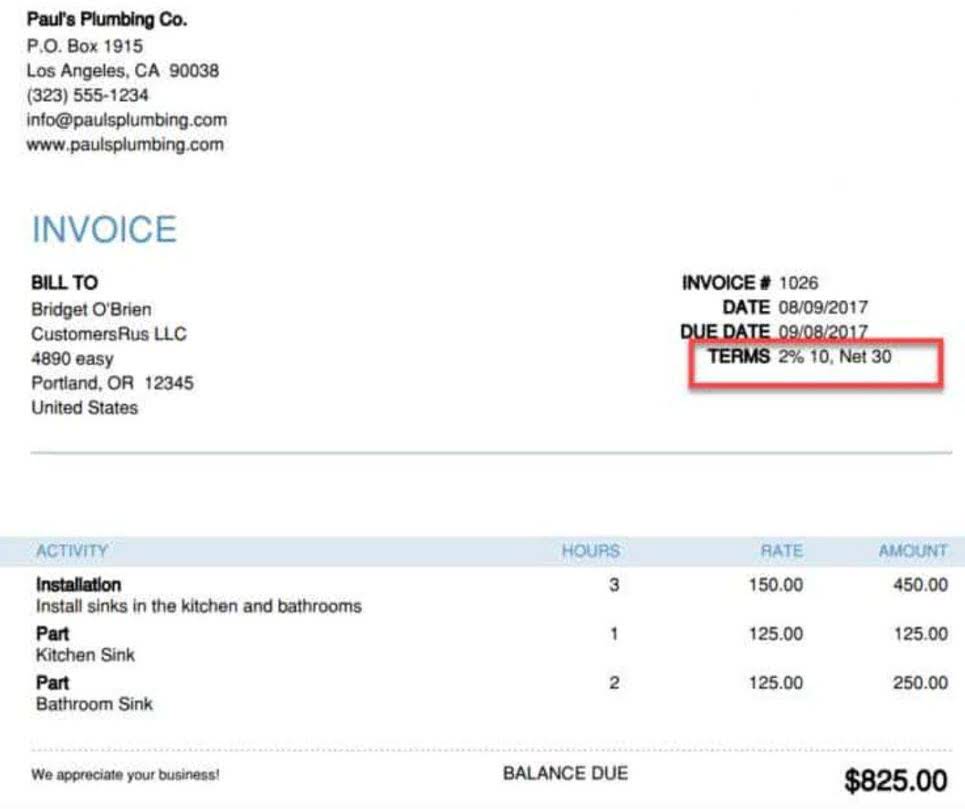
In this example some information has been omitted to simplify the example. In practice, each line item would include the information listed above. In this example, we will assume that all sales are made on terms of 2/10, n/30 and that the gross method is used to record sales discounts. Goodwill is law firm chart of accounts not amortized but is subject to annual impairment tests.

Recording Process
As a refresher, debits and credits affect accounts in different ways. Assets and expenses are increased by debits and decreased by credits. Liabilities, equity, and revenue are increased by credits and decreased by debits. Double Entry Bookkeeping is here to provide you with free online information to help you learn and understand bookkeeping and introductory accounting. Chartered accountant Michael Brown is the founder and CEO of Double Entry Bookkeeping. He has worked as an accountant and consultant for more than 25 years and has built financial models for all types of industries.
Get Your Questions Answered and Book a Free Call if Necessary
Since all sales recorded in the sales journal are paid on credit, there is no need for a cash column. The treatment of intangible assets also has implications for post-sale financial reporting. For sales journal the buyer, these assets are typically amortized over their useful life, impacting future earnings and tax liabilities.
Effective sales journal maintenance provides crucial insights into customer credit patterns. Regular monitoring of credit sales through the journal helps identify potential collection issues early and supports proactive credit management. This systematic approach strengthens your business’s financial position. The columnar format of a sales journal allows for efficient data entry and analysis. Each column serves a specific purpose, from tracking dates and invoice numbers to monitoring credit terms and payment status. This structured approach facilitates monthly totaling and posting to the general ledger.
- Your Accounts Receivable total should equal the sum of your Sales Tax Payable and Revenue accounts.
- However to account for the cost of paying the employee that is providing the related services, the company will need to determine what the cost of these employees is.
- Our mission is to empower readers with the most factual and reliable financial information possible to help them make informed decisions for their individual needs.
- Chartered accountant Michael Brown is the founder and CEO of Double Entry Bookkeeping.
- Someone on our team will connect you with a financial professional in our network holding the correct designation and expertise.
To create the sales journal entry, debit your Accounts Receivable account for $240 and credit your Revenue account for $240. Some businesses simply have one column to record the sales amount whereas others need additional columns for sales tax, delivery fees charged to customers etc. The multi-column journal should always have an ‘other’ column to record amounts which do not fit into any of the main categories. Journal Entry for Inventory SalesAlong with each sale of goods, there is a related cost of goods entry that must be booked to record the inventory being sold. When the inventory is delivered to the customer, it is taken off the books for the cost originally paid as a credit to inventory.

The Cost of Goods Sold account, and expense account, is debited for the same cost as the inventory was recorded at, as shown below. The Post Ref. column in the subsidiary ledger and controlling accounts is labeled SJ-1 to represent page 1 of the sales journal. The sales journal, sometimes called the credit sales journal, is used to record all sales made on account. This guide will walk you through everything you balance sheet need to know about setting up and managing a sales journal, from basic entries to modern digital applications.
Integration with Accounting System

Each transaction must maintain this double-entry format for accurate bookkeeping. As a result, you must increase your Accounts Receivable account instead of your Cash account. Your Accounts Receivable account is the total amount a customer owes you. Later, when the customer does pay, you can reverse the entry and decrease your Accounts Receivable account and increase your Cash account.

