

You already know alcohol is not a health supplement, but what you might not know are the effects of alcohol on your immune function. These choices not only help avoid mistakes related to binge drinking but also contribute positively towards one’s diet by offering additional nutrients rather than empty carbs found in many alcoholic beverages. Herbal teas and infused waters offer both refreshment and immune health benefits making them suitable alternatives during social occasions where alcoholic beverages are typically served. These options provide hydration while delivering antioxidants and other nutrients essential for supporting overall well-being. This fermented tea offers probiotic benefits that can support gut health—a key aspect of managing autoimmune conditions.
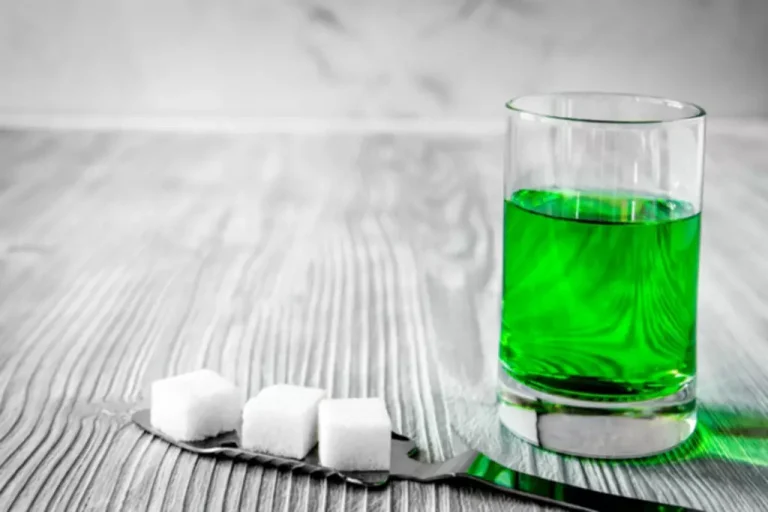
Mounting evidence links alcohol with cancer. Defining a “safe” amount of drinking is tricky — and controversial.
However, this doesn’t mean one should start drinking as a way to boost their immunity, especially if they have an autoimmune condition. The key word here is “moderate,” and even then, the benefits are temporary and can quickly turn into adverse effects if consumption increases. Alcohol is known to boost inflammation levels in the body, acting as a source for autoimmune disease flare-ups, particularly in the skin. Increased inflammation can accelerate the damage done to the skin by these autoimmune disease types. Increasingly, reports like these conclude there is no safe level of drinking. Even moderate consumption—no more than one alcoholic beverage per day for women, and no more than two per day for men—comes with dangers, and the situation snowballs the more a person sips.
How Do Drugs And Alcohol Affect The Immune System?
Contact Gateway Foundation to learn more about how we can help you or your loved one pursue recovery. However, women who drink more than two drinks on one occasion and men who drink more than three drinks on one occasion may experience more health complications due to their excessive alcohol consumption. Alcohol misuse refers to drinking in a manner, situation, amount, or frequency that could cause harm to the person who drinks or to those around them. Past research shows alcohol consumption leads to more severe lung diseases, like adult respiratory distress syndrome (ARDS) and other pulmonary diseases, including pneumonia, tuberculosis, and respiratory syncytial virus. Alcohol’s immune system suppression can be particularly harmful to the lungs. The body fights off this infection by flooding the lungs with fluid containing immune cells.
How Does Alcohol Affect the Immune System?
Alcohol also causes the body to metabolize toxic chemicals and increase hormone levels. For example, an increase in estrogen can lead the body to develop breast cancer. When a person drinks alcohol, their body metabolizes it into acetaldehyde, a chemical that can damage DNA and prevent the body from repairing it. Since DNA controls cell function and growth, damaged DNA can cause cells to grow uncontrollably and develop tumors. I think that looking into the pattern of alcohol use would be very informative, because we know that a lot of people think abstaining during the week and bingeing on the weekend is healthier than drinking moderately every day. (That’s not the case, by the way.) We have recently had many researchers studying alcohol and the adolescent brain, and I think that linking their findings to the development of cancers would really advance our understanding of alcohol and health risks.
- Vodka, being the purest form of alcohol, has a minimal amount of additives.
- Basically, given differential tolerance, you should know your limit and keep track of how much you drink.
- Stopping alcohol use and promoting optimal immune health is particularly important during this pandemic.
- The white blood cells, tissues and organs that make up our body’s immune system are designed to fight off infections, disease and toxins.
- But this doesn’t mean it’s safe for everyone with an autoimmune skin disease to drink alcohol.
By disrupting this microbiome, alcohol makes infection more likely to occur. Infections occur when a virus or bacteria invades the body and multiplies, producing more and more of itself. The immune system is a complicated group of cells and proteins that recognize invading bacteria or viruses and destroy these infections. Alcohol disrupts the immune system and makes Halfway house people more likely to develop an infection.
Sticking to moderate drinking or even less ensures you don’t add unnecessary stress on your immune system. This approach supports recovery and overall well-being without sacrificing enjoyment entirely. Going beyond moderate consumption reverses these potential benefits quickly. It’s crucial for individuals, especially those with autoimmune disease, to pay attention to how their bodies react to different kinds and amounts of alcoholic beverages.
You may be more likely to get serious lung infections, such as pneumonia. It causes pus to accumulate in the respiratory system’s pleural cavity, the space between the chest cavity’s inner wall surface and the lungs. Since pneumonia is an infection inside the lung, a person can gradually cough it out. Empyema occurs outside of the lungs, so doctors must remove it via surgery or by draining it with a needle. Alcohol use can cause respiratory complications such as pneumonia, empyema, respiratory syncytial virus, tuberculosis, lung abscess, and adult respiratory distress syndrome (ARDS).
Moderate Drinking Carries Health Risks—Here’s How to Imbibe More Safely
“Healthy gut bacteria is not used to metabolizing alcohol, so other bacteria may be sending signals to the brain”—telling you that you want more. We provide comprehensive treatment for alcohol addiction, including medically monitored detox, counseling, psychotherapy, group support, and aftercare planning. Quitting alcohol is incredibly challenging, but absolutely critical https://ecosoberhouse.com/ if you want to preserve your health. It may seem impossible to break this cycle of addiction and protect your well-being at the same time.

While it is technically true that no level of alcohol is risk-free, neither are many daily activities, from driving to eating bacon. Still, there are some groups for whom going sober might be the best policy, such as those with a family history of addiction, liver disease or cancer, Anton says. Abstinence is also important for people who are pregnant, take medications that interact with alcohol or have certain genetic conditions. Even among the positive studies, potential health benefits are often quite small. In addition, alcohol may reduce the risk of one condition (such as cardiovascular disease) while increasing the risk of another (such as cancer).
Are there any health benefits to drinking alcohol?

When alcohol damages the gastrointestinal tract’s barrier, bacteria and toxins can enter the bloodstream easily, potentially leading to septicemia and sepsis. It would be enough for me, particularly if I had other risk factors for cancers like genetics, environmental stressors, etc. One study found that people who got less than 7 hours of sleep were nearly three times more likely to develop a cold compared with those who got 8 or more hours of sleep. Drinking also makes it harder for your does alcohol suppress immune system body to properly tend to its other critical functions, like fighting off a disease. When someone is exposed to a virus, the body mounts an immune response to attack and kill the foreign pathogen. Doctors want their patients to know that they can and should discuss drinking behavior with their providers.

